



Academic Exchange | Mexican Professors Visit Beijing Tiantan Hospital for In-Depth Academic Dialogue
-
 2025-04-17
-
TJWY


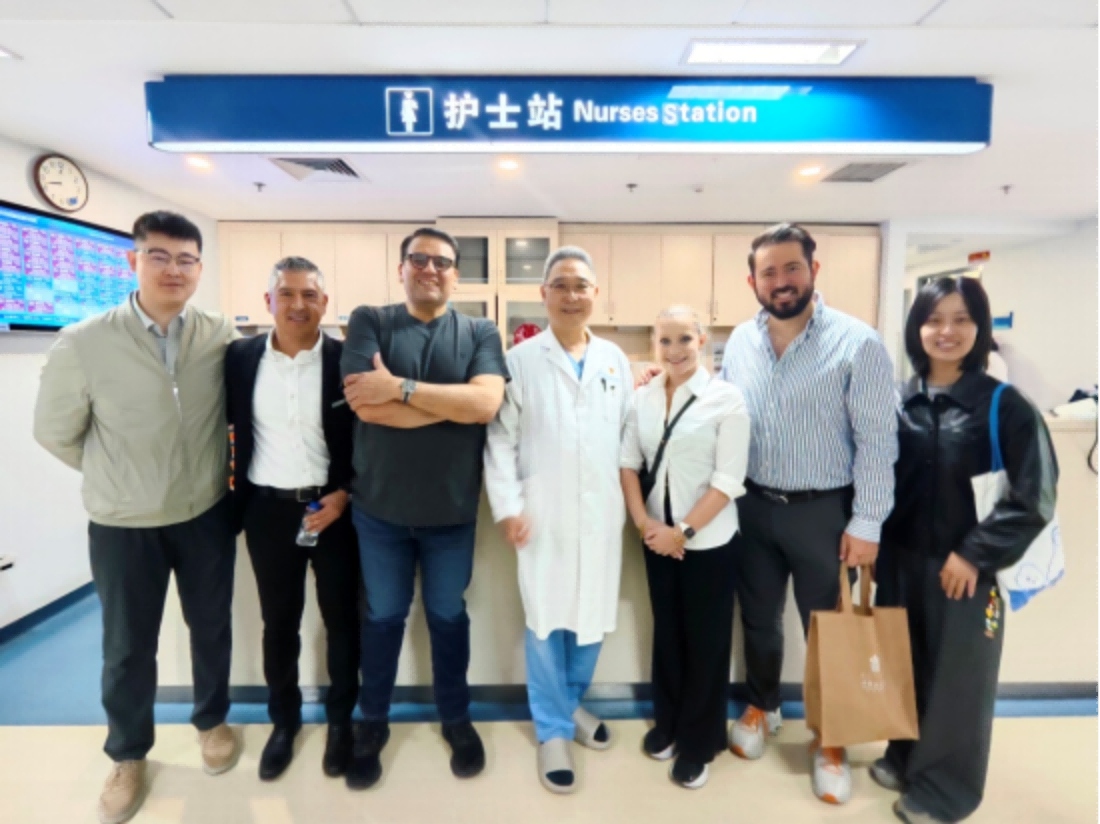
On April 16, 2025, Beijing Tiantan Hospital, Capital Medical University, welcomed Dr. Jorge Arturo Santos Franco, Head of Neurosurgical Department at Hospital de Especialidades of Centro Médico Nacional La Raza under Instituto Mexicano de Seguro Social (IMSS), and Dr. Sophie d’Herbemont, neurosurgeon and Founding Partner of NeuroCuore Clinic at Hospital Ángeles Universidad, for an international academic exchange.
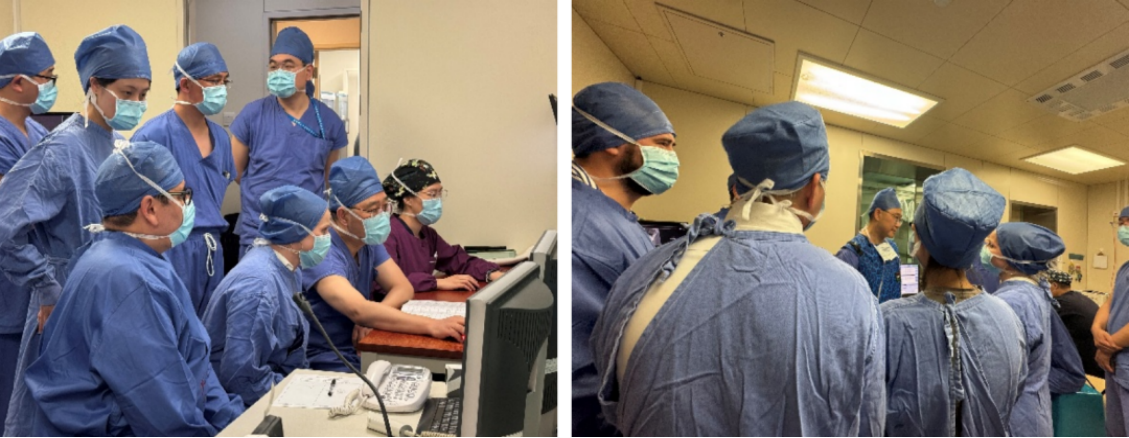
Hosted by Professor Xinjian Yang, Deputy Director of the Neurosurgery Center and Director of the Third Cerebrovascular Department, the visit featured in-depth discussions on neurointerventional treatment systems, clinical practice, and the construction of large-scale stroke centers in China. The delegation also visited the interventional catheterization lab to observe live procedures.
Deep Academic Dialogue: Comparing Neurointerventional Practices in China and Mexico
During the meeting, Prof. Santos and Prof. Yang engaged in a comprehensive academic exchange covering neurointerventional systems and clinical practices. Experts from both countries compared the differences between their medical systems: in Mexico, a hierarchical referral system requires patients to move step by step through different care levels, while in China, an integrated one-stop stroke center model enables highly efficient diagnosis and treatment.
When discussing patient healthcare-seeking philosophy, both sides noted that Chinese patients tend to trust the overall strength of hospitals, whereas Mexican patients often choose based on the personal reputation of their doctors. The Mexican delegation was deeply impressed by the high annual aneurysm surgery volume and the operational efficiency of Tiantan Hospital.
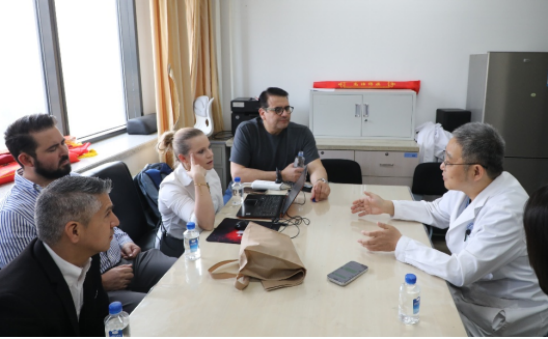
In the technical innovation session, Prof. Yang gave an overview of the department’s academic layout and shared experiences with both imported and domestically developed neurointerventional devices. On the topic of flow diverter selection, both teams reached professional consensus: high metal coverage stents are preferred for large, complex aneurysms, while high-flexibility stents are more suitable for distal or small-vessel lesions. Prof. Yang also shared his personal insights on the Nuva® Flow Diverter, including optimal case selection and intraoperative performance.
Notably, Tiantan Hospital has established a distinctive “Chinese solution” in clinical device application. Its confidence in using domestically manufactured products, combined with the ability to individualize treatment strategies based on lesion characteristics, provides valuable reference points for international peers. This exchange strengthened mutual understanding between Chinese and Mexican experts in the field of neurointervention.
The “Chinese Solution” Showcased in Three Textbook-Level Procedures
In the catheterization lab, three demonstration surgeries highlighted the sophistication of China’s neurointerventional techniques:
Case 1: Performed by Prof. Lian Liu, involving a terminal internal carotid artery aneurysm. A combination of TJWY embolization coils and an assisting stent was used. Experts from both countries discussed the case specifics, patient condition, and device performance.
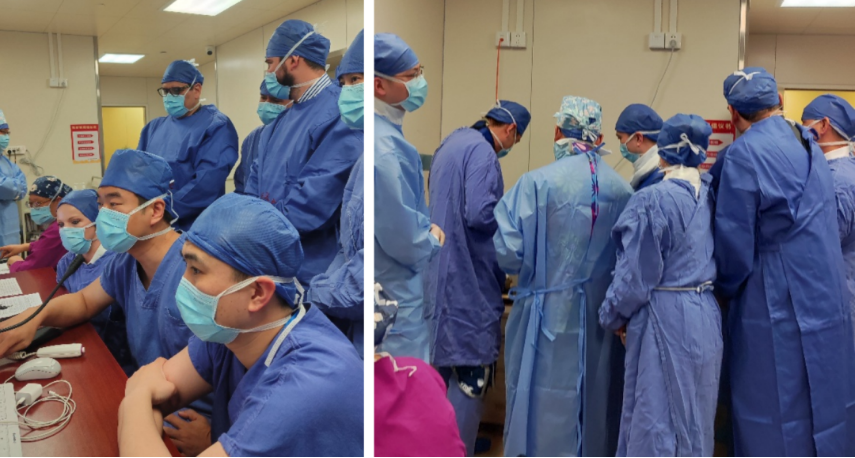
Case 2: Conducted by Prof. Xuan Sun and Prof. Ming Yang for a female patient with carotid artery stenosis. The patient previously received a carotid stent on the left side; this time, the right side was treated. Both teams compared the TJWY Proender® Embolic Protection Device and imported alternatives, analyzing their respective characteristics.
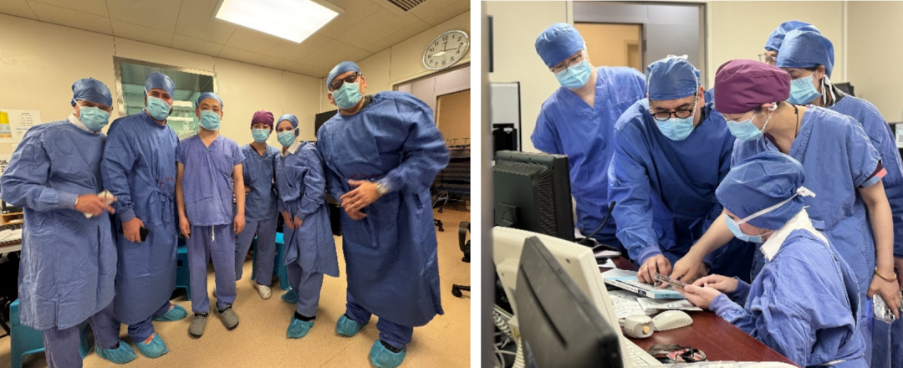
Case 3: Led by Prof. Xinjian Yang and Prof. Liqian Sun, addressing a terminal left internal carotid aneurysm. The team selected the Nuva® Flow Diverter based on the lesion’s features, and experts exchanged insights on case management, procedural techniques, and device performance.
Bridging Innovation Between China and Mexico
This visit marked another milestone in strengthening academic and clinical collaboration between Chinese and Mexican neurointerventional experts. Through case discussions, live surgeries, and system-level dialogue, both sides gained deeper understanding of each other’s medical practices and technological strengths.
The exchange not only showcased China’s growing expertise and confidence in neurointerventional innovation, but also opened new pathways for international cooperation and knowledge sharing. Moving forward, TJWY Medical will continue to promote professional dialogue and joint progress in cerebrovascular treatment, contributing to the global advancement of neurointerventional medicine.