


【Conference Report】TJWY Medical Introduces Intracranial Drug-Coated Balloon at CFCVD 2026
-
 2026-05-25
-
TJWY


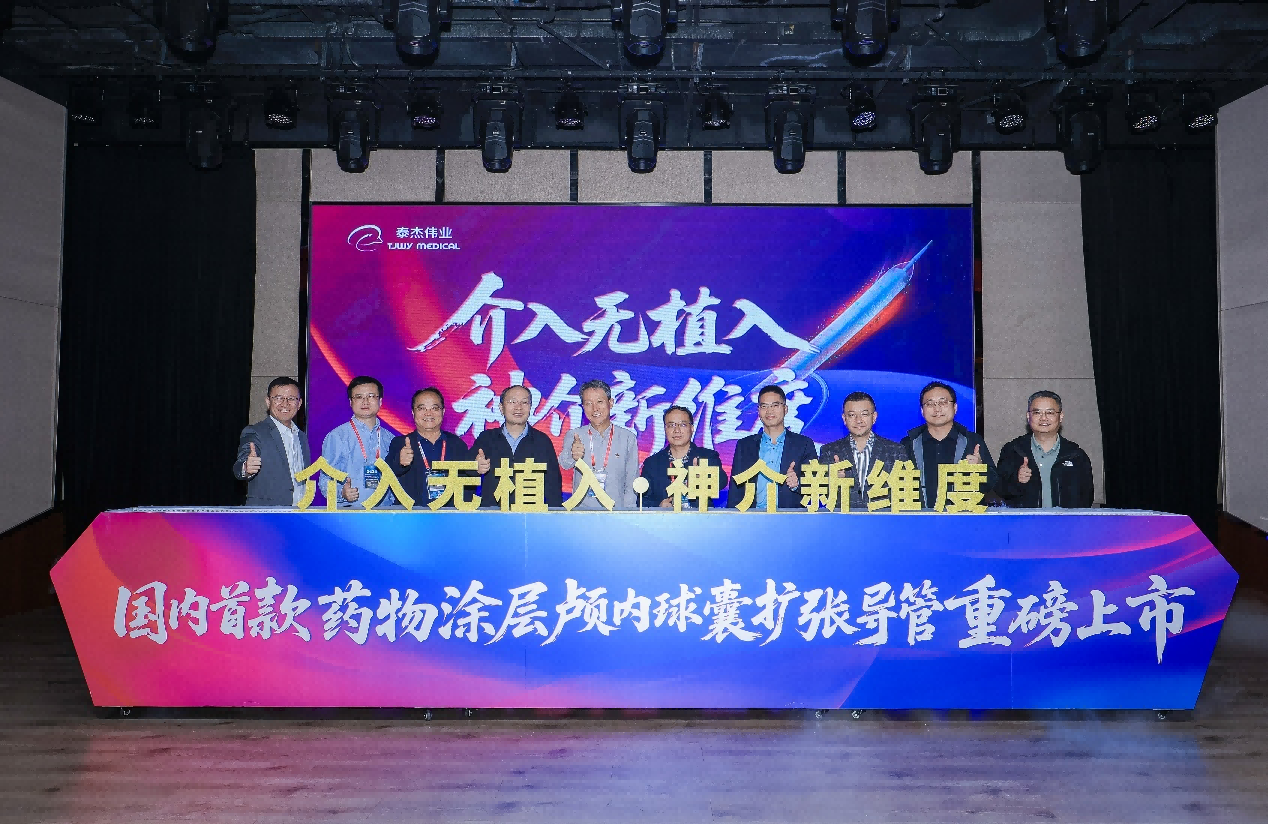
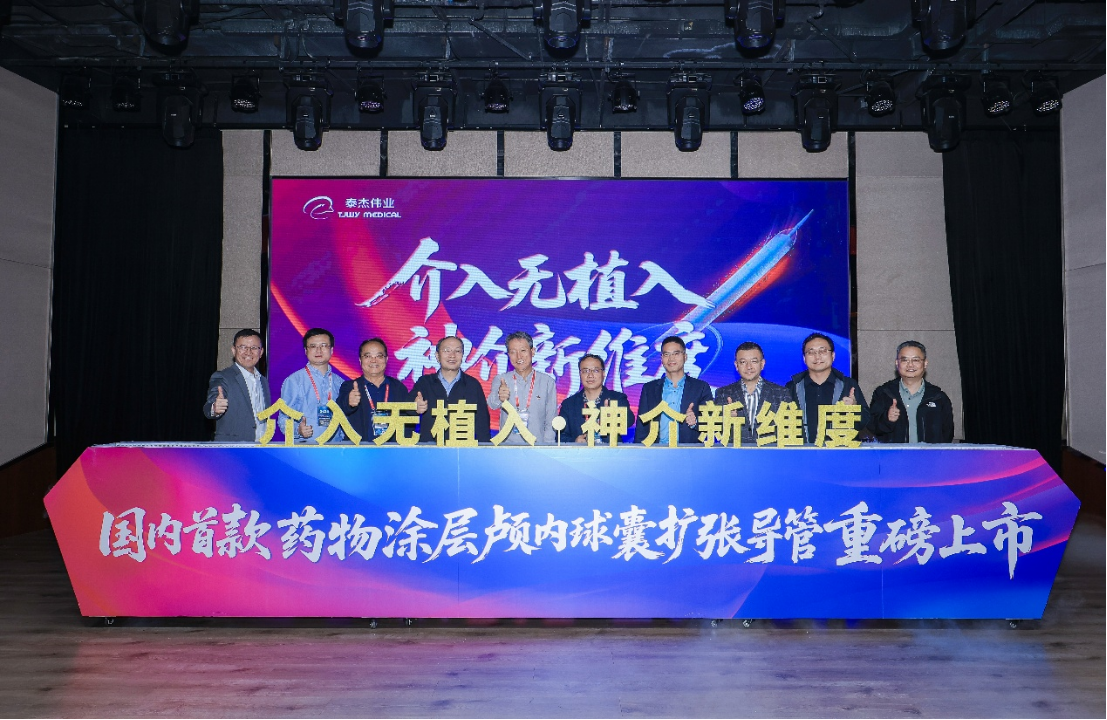
From April 24 to 26, 2026, the 23rd China Forum on Cerebrovascular Diseases (CFCVD 2026) was grandly held in Beijing. Guided by the principles of “Seeking Origins, Pursuing Knowledge, Preserving Integrity, and Driving Innovation,” the conference brought together leading academicians, renowned experts, department heads, clinicians, and research specialists from China and abroad.
The forum covered major topics across the full spectrum of cerebrovascular medicine, including hemorrhagic stroke, ischemic stroke, cerebrovascular malformations, chronic occlusion revascularization, carotid stenosis, emerging neurointerventional technologies, smart healthcare, and medical-engineering integration. Nearly one hundred sessions were held, including plenary meetings, keynote speeches, specialized forums, case discussions, clinical study releases, and innovative device showcases, presenting the latest advances in basic research, clinical treatment, technological innovation, and translational medicine.
Official Launch of TJWY Medical’s Intracranial Drug-Coated Balloon Dilation Catheter
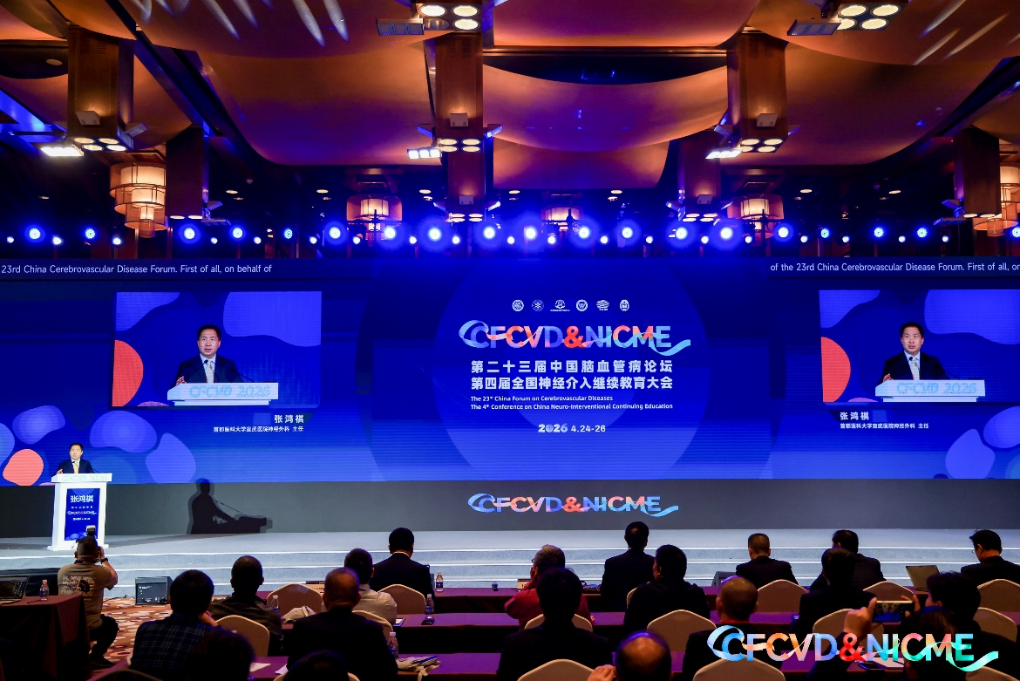
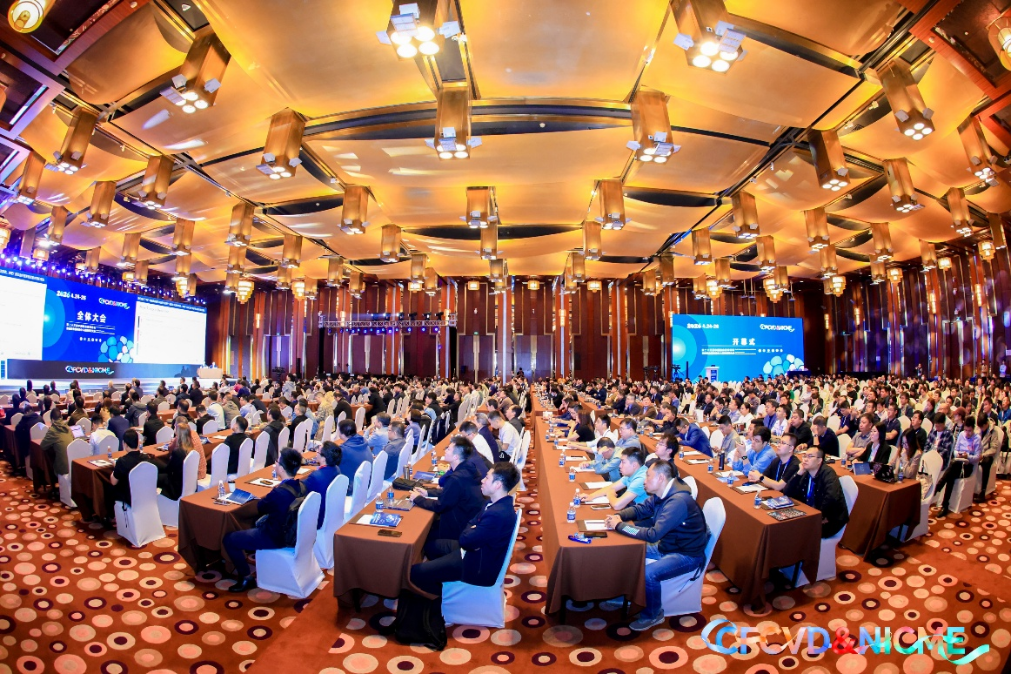
During this landmark industry event, Beijing TJWY Medical Technology Co., Ltd. officially launched its Intracranial Drug-Coated Balloon Dilation Catheter on April 25 at Beijing International Hotel. Leading neurointerventional experts gathered to witness an important breakthrough in China’s neurointerventional field under the concept of “Intervention Without Implantation.”
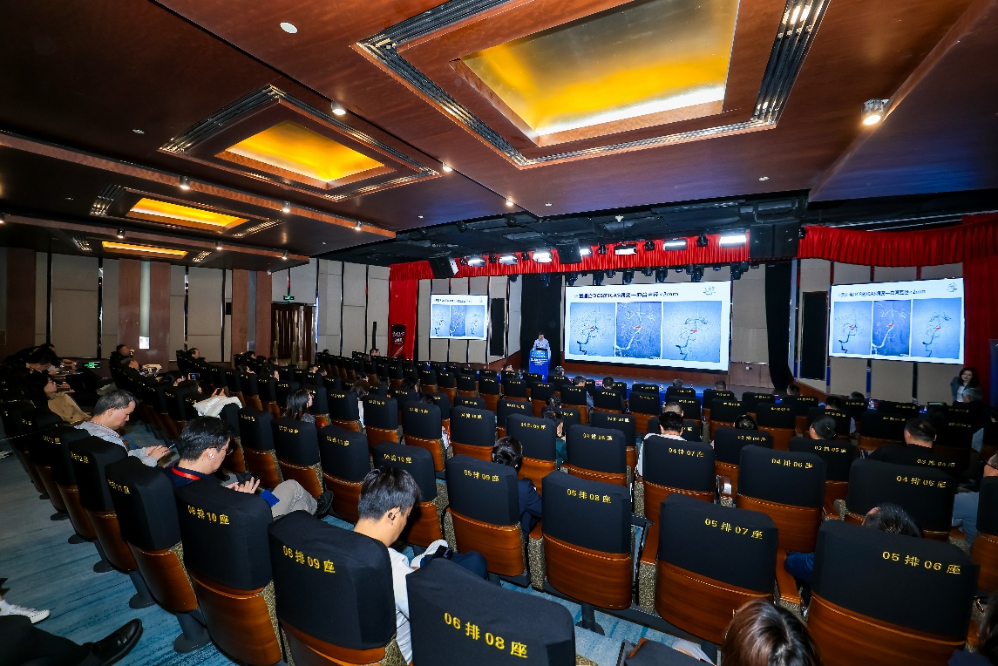
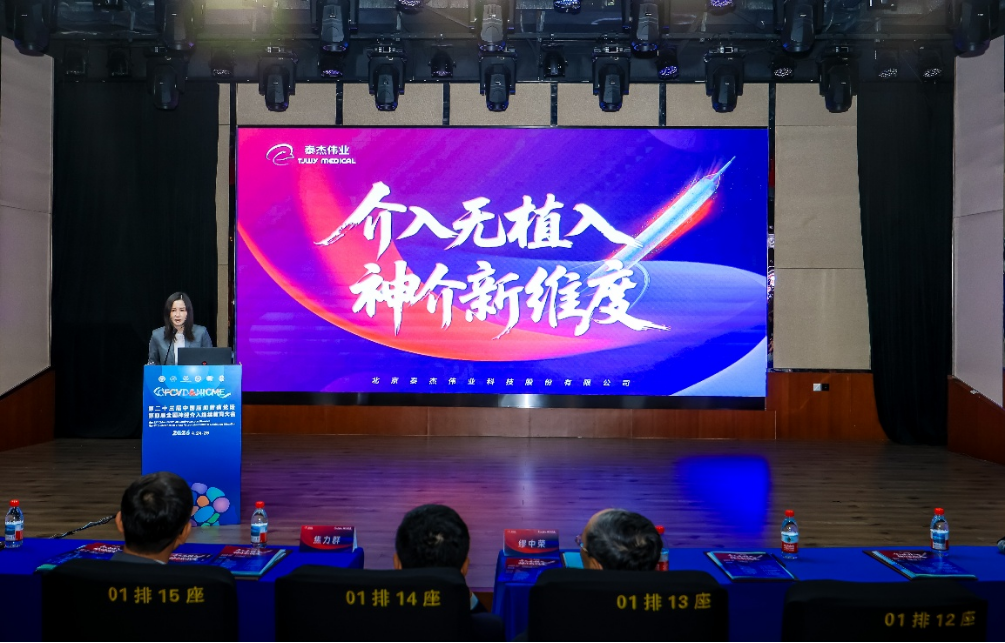
The launch ceremony was hosted by Ms. Chen Xi, Vice General Manager of TJWY Medical. She emphasized that intracranial atherosclerotic stenosis (ICAS) remains a major cause of ischemic stroke, while conventional treatments continue to face clinical challenges such as high restenosis rates, permanent metallic implants, and bleeding risks associated with prolonged dual antiplatelet therapy.
TJWY Medical’s self-developed intracranial drug-coated balloon was created to address these unmet needs, offering a safer and more efficient treatment option for patients with intracranial stenosis.
Expert Perspectives on ICAS Treatment Innovation
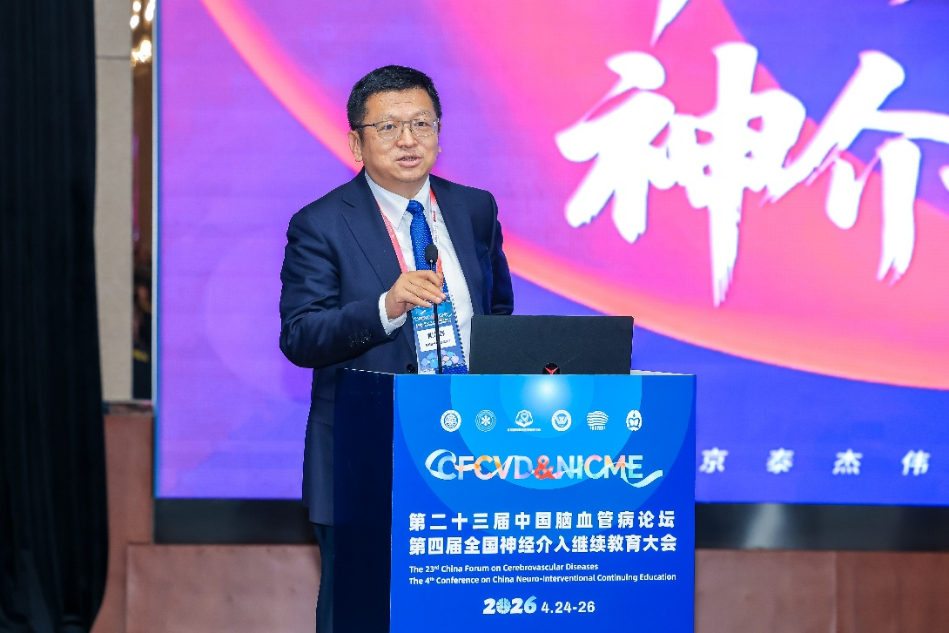
Prof. Jiao Liqun from Xuanwu Hospital, Capital Medical University, delivered the opening remarks. Prof. Jiao has long been dedicated to advancing standardized and innovative ICAS treatment in China. He reviewed the challenging development journey of intracranial drug-coated balloons and expressed high expectations for the clinical adoption of this innovative product.
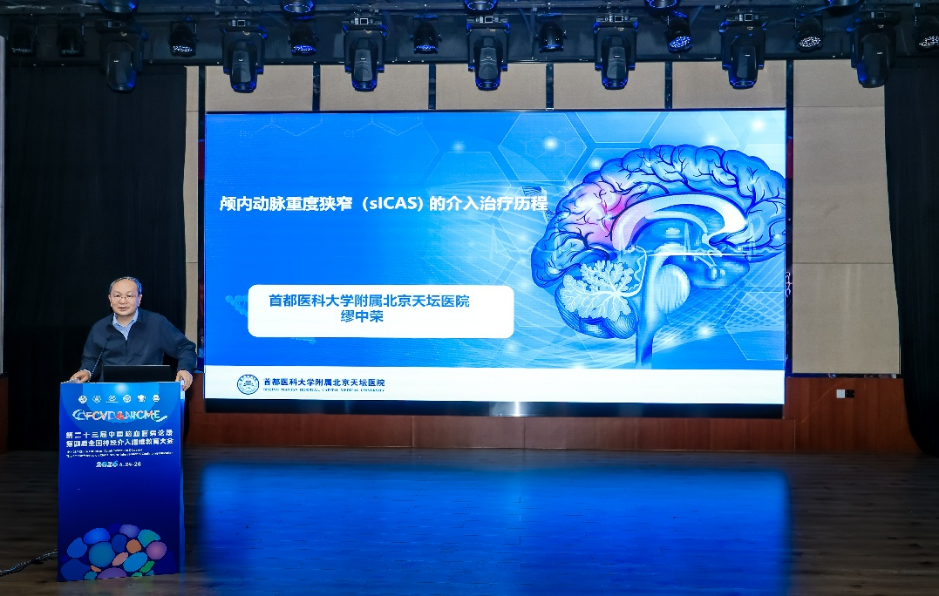
Prof. Miao Zhongrong from Beijing Tiantan Hospital presented a keynote lecture titled “Setbacks and Breakthroughs in ICAS Treatment.” He reviewed landmark global studies in the ICAS field and highlighted evidence showing that:
· Intensive medical therapy demonstrated superior long-term benefit compared with stenting alone in early classic studies.
· Balloon angioplasty alone significantly reduced one-year stroke recurrence risk compared with medical therapy alone.
· Based on excellent outcomes of drug-coated balloons (DCB) in coronary small vessels (<3 mm), DCB technology is highly promising for similarly narrow and tortuous intracranial lesions.
Prof. Miao also interpreted the core results of the DR.BEYOND Study, showing that compared with bare metal stents (BMS), drug-coated balloons significantly reduced restenosis after ICAS treatment, providing strong evidence for the concept of “Intervention Without Implantation.”
He further announced plans to collaborate with TJWY Medical to design and initiate the BASIS-2 Study, a head-to-head comparison of best medical therapy versus drug-coated balloon intervention, aiming to move ICAS treatment into a new era of precision and individualized care.
Product Technology Highlights
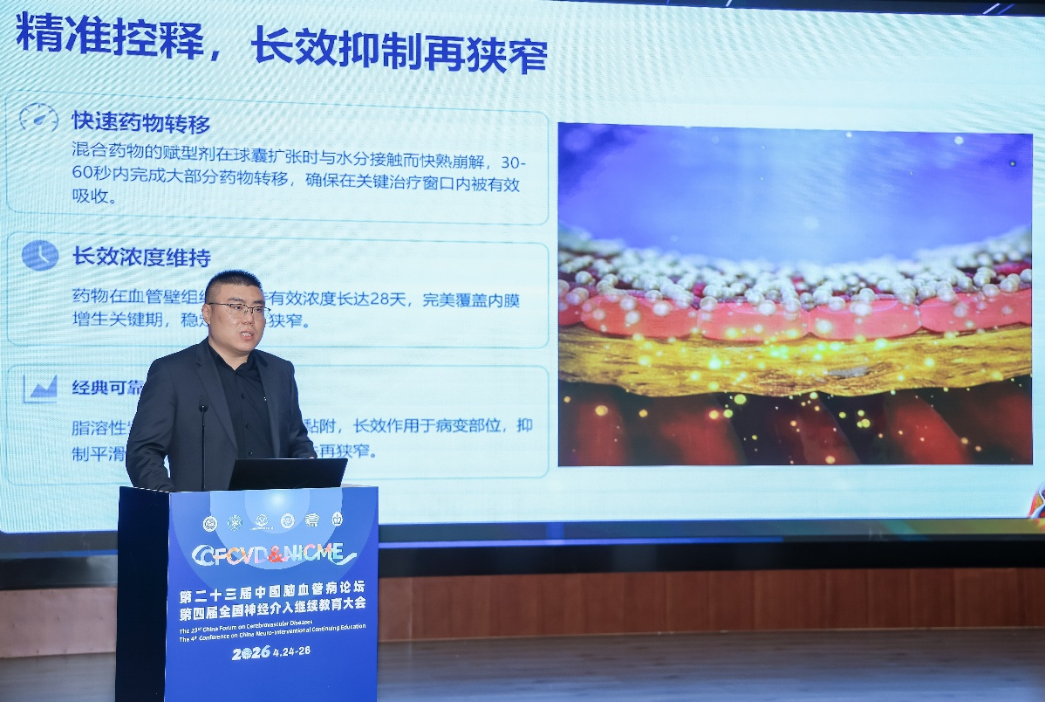
TJWY Product Manager Wu Wenjia delivered a technical presentation titled “In-Depth Product Interpretation and Innovative Technology.” Key advantages of the intracranial drug-coated balloon include:
· Maltose excipient technology combined with micron-scale crystal particles and ultrasonic atomization coating for stable and uniform drug adhesion
· Rapid drug transfer within 30–60 seconds, maintaining effective concentration for up to 28 days during the critical neointimal hyperplasia period
· Thinner coating, advanced delivery system, and excellent folding performance for superior trackability through complex intracranial anatomy
Clinical Experience Sharing
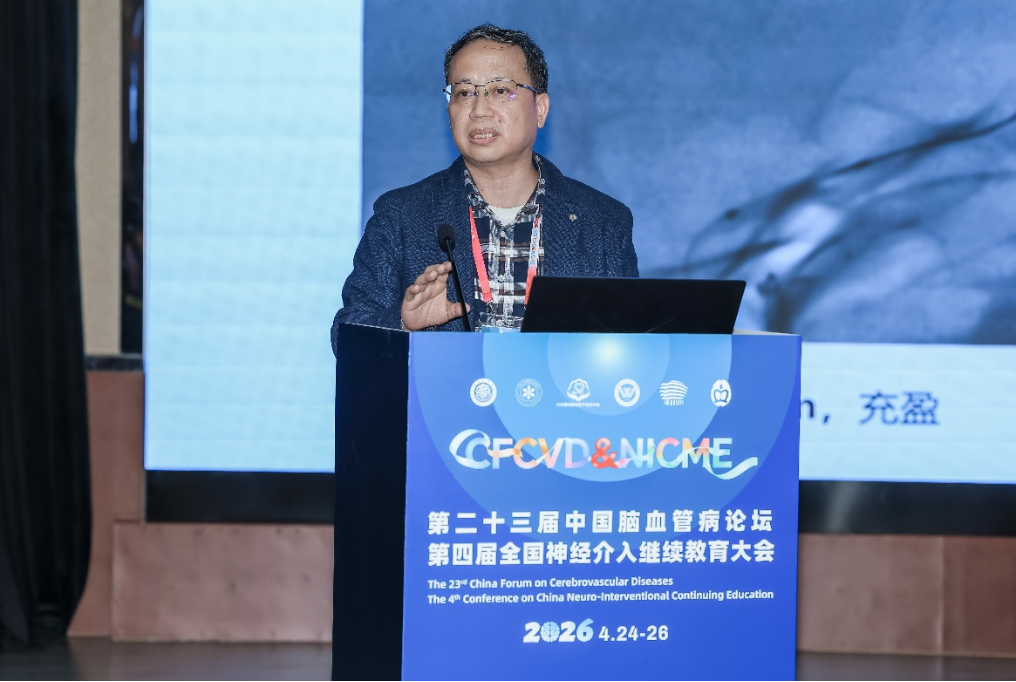
Prof. Mo Dapeng from Beijing Tiantan Hospital presented “Clinical Experience of DCB in ICAS Treatment.” Using five representative clinical cases involving severe stenosis in the middle cerebral artery, vertebral artery, basilar artery, and internal carotid artery, he demonstrated excellent vessel lumen reconstruction and durable clinical outcomes after DCB treatment.
He summarized key procedural recommendations:
· Balloon inflation time should be maintained for at least 90 seconds to ensure adequate drug transfer
· Routine pre-dilation is recommended to create sufficient lesion expansion and improve wall apposition and drug distribution
Expert Discussion and Recognition
Following this, participating experts conducted in-depth discussions and evaluations on the clinical application of DCB.
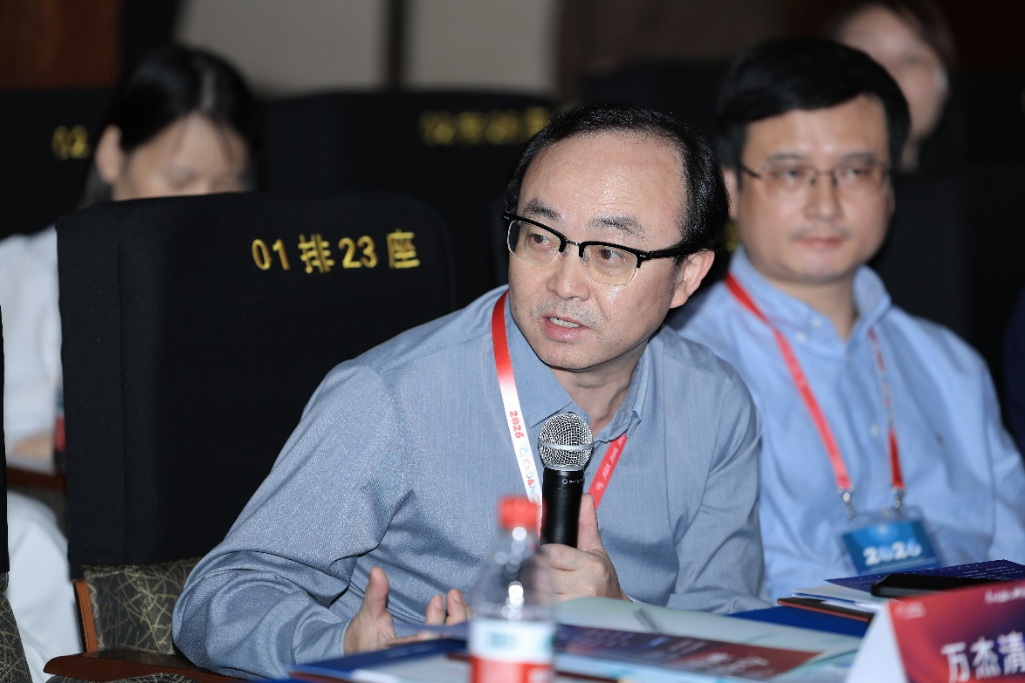
Prof. Wan Jieqing from Renji Hospital affiliated with Shanghai Jiao Tong University School of Medicine expressed strong agreement that a high-positioned access catheter can provide stable support for the smooth delivery of drug-coated balloons, which is a key factor in ensuring procedural success. After reviewing the comprehensive clinical data presented at the conference, Prof. Wan expressed great expectations for the future clinical value and application prospects of intracranial drug-coated balloons in ischemic cerebrovascular diseases, noting their potential to provide a new solution for intracranial ischemic lesions.
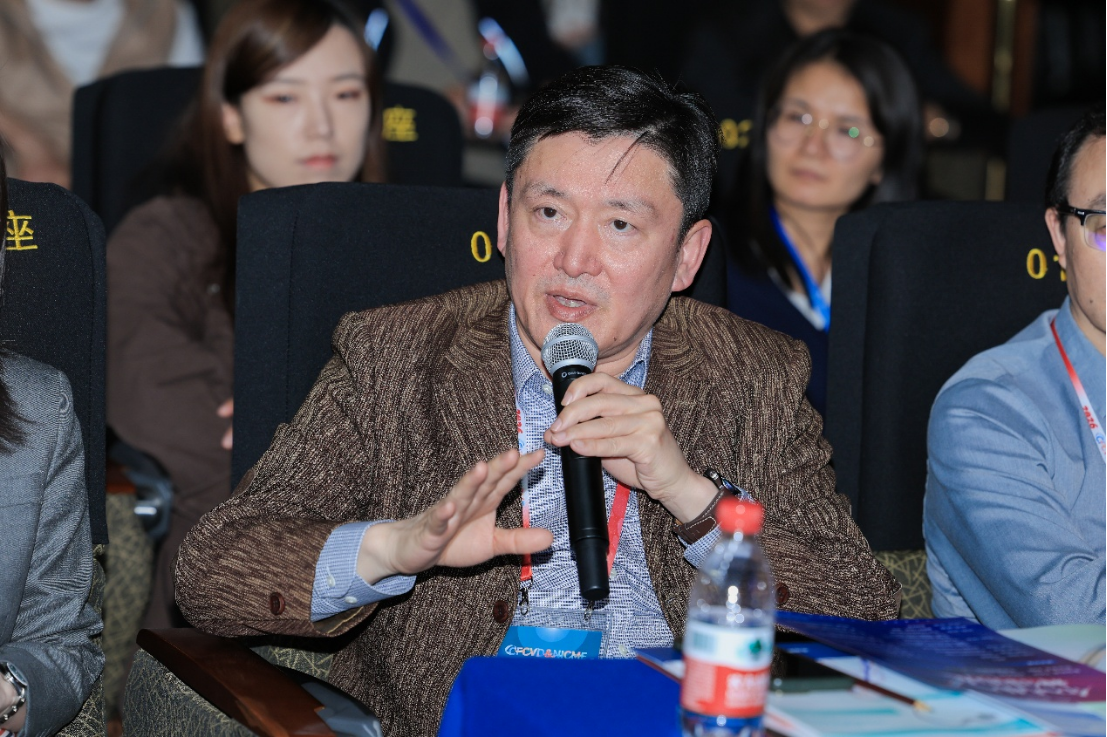
Prof. Cheng Guangsen from Zhuhai People’s Hospital pointed out that the launch of a domestically developed intracranial drug-coated balloon fills a clinical gap and represents a milestone. He highlighted the unique advantage of DCB under the concept of “Intervention Without Implantation,” which may significantly shorten the duration of dual antiplatelet therapy and reduce bleeding risks, thereby benefiting high-risk patients. He also noted that with the increasing clinical application of flow diverters, in-stent restenosis has become a growing concern, and drug-coated balloons may offer an effective strategy for such lesions. He further expressed his expectation for more experts to share diverse perspectives and clinical experience to improve the ICAS treatment system.
Prof. Jiang Zheng from the Second Xiangya Hospital of Central South University presented “Clinical Experience of DCB in ICAS Treatment.” He shared a case of severe stenosis in the V4 segment of the vertebral artery. After treatment with an intracranial drug-coated balloon, follow-up angiography at three weeks showed stable vascular morphology and significantly improved posterior circulation perfusion compared to pre-procedure, with only mild prolongation in perfusion time. The overall recovery was favorable, and the team expressed strong expectations for the three-month follow-up outcomes.
Based on this case, Prof. Jiang summarized key procedural considerations for DCB treatment in ICAS:
· Patient selection: Drug-coated balloons are an ideal option for elderly patients or those at high bleeding risk who cannot tolerate long-term dual antiplatelet therapy.
· Access and lesion preparation: In tortuous vascular anatomy, the intermediate catheter should be positioned as distally as possible to provide stable support; pre-dilation should be performed slowly and gently to avoid vessel injury.
· Device handling: The drug-coated balloon must not be hydrated prior to use; rapid delivery with minimal contact to the coating is essential to preserve drug integrity.
Prof. Jiang also gave high recognition to the product, noting its smooth delivery and excellent trackability, making it well-suited for complex and tortuous intracranial anatomy.
Subsequently, multiple experts provided further insights on the clinical application of DCB, affirming its clinical value and broad prospects from different perspectives.
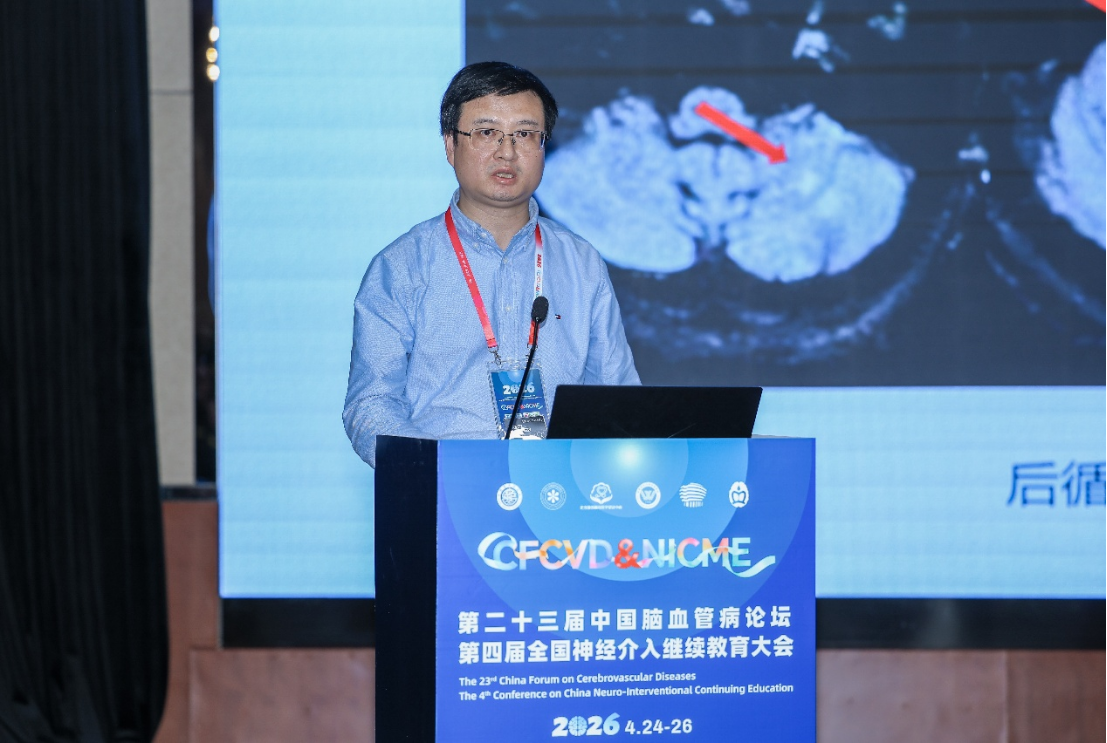
Prof. Dilimulati Ameti from the People’s Hospital of Xinjiang Uygur Autonomous Region pointed out that for small intracranial vessels, bifurcation lesions, and complex vascular regions such as the basilar artery with dense branching, drug-coated balloons can serve as a preferred treatment option, better adapting to complex anatomical structures.
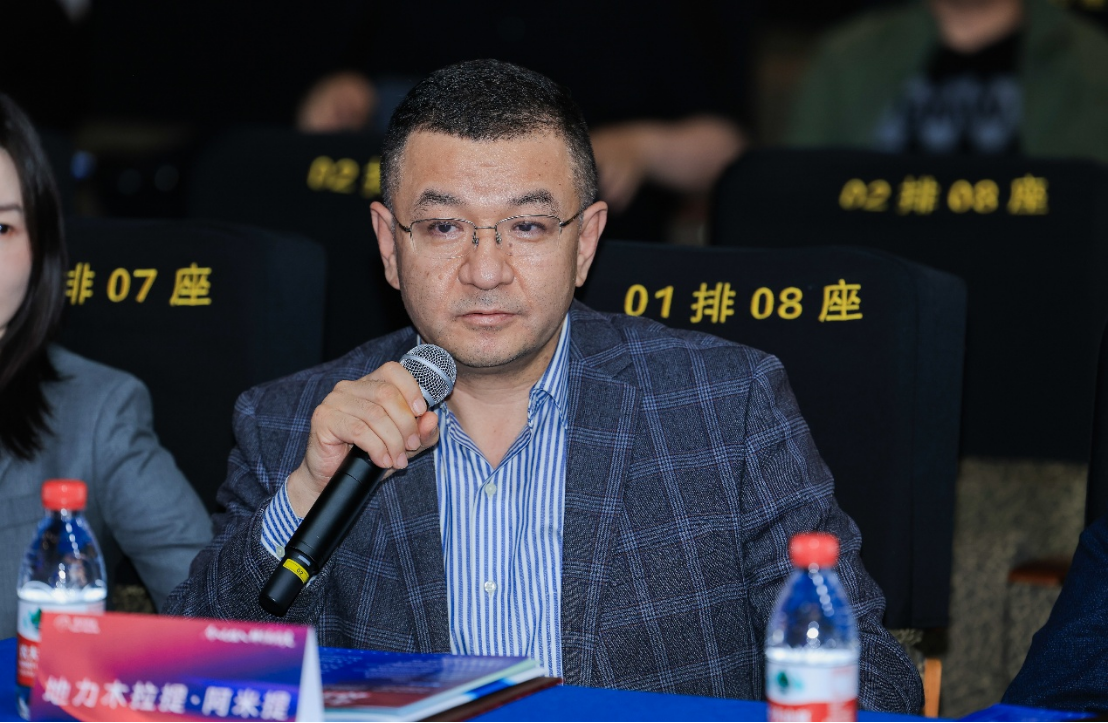
Prof. Liu Yang from Hefei Hi-Tech Cardiovascular Hospital, based on his hands-on experience, stated that the drug-coated balloon demonstrated excellent deliverability and conformability, with smooth intraoperative navigation, and he expressed strong expectations for the upcoming BASIS-2 study.
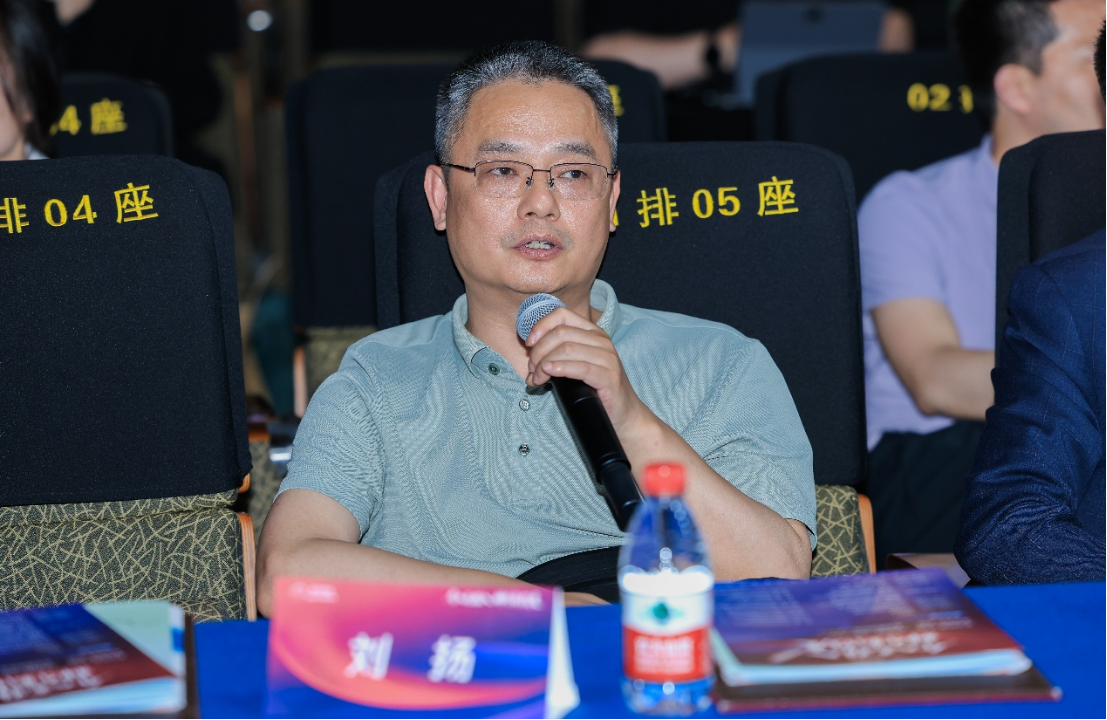
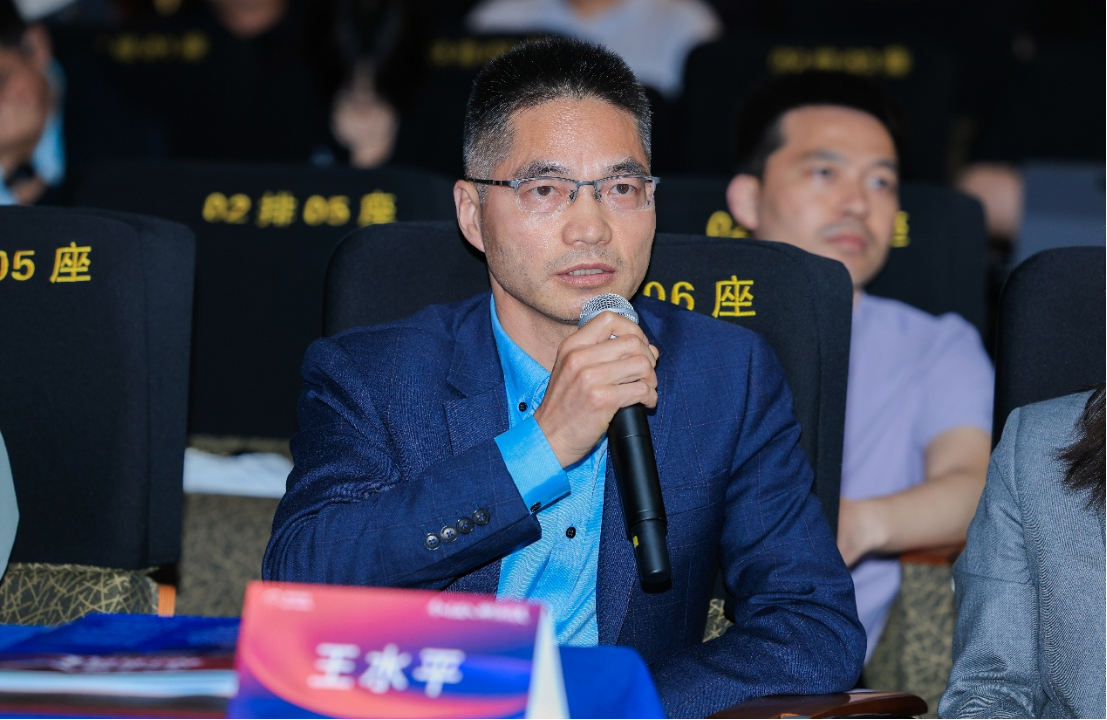
Prof. Wang Shuiping from the First Affiliated Hospital of Anhui Medical University expressed high expectations for the widespread clinical adoption of intracranial drug-coated balloons, believing that they will bring significant breakthroughs in ICAS treatment.
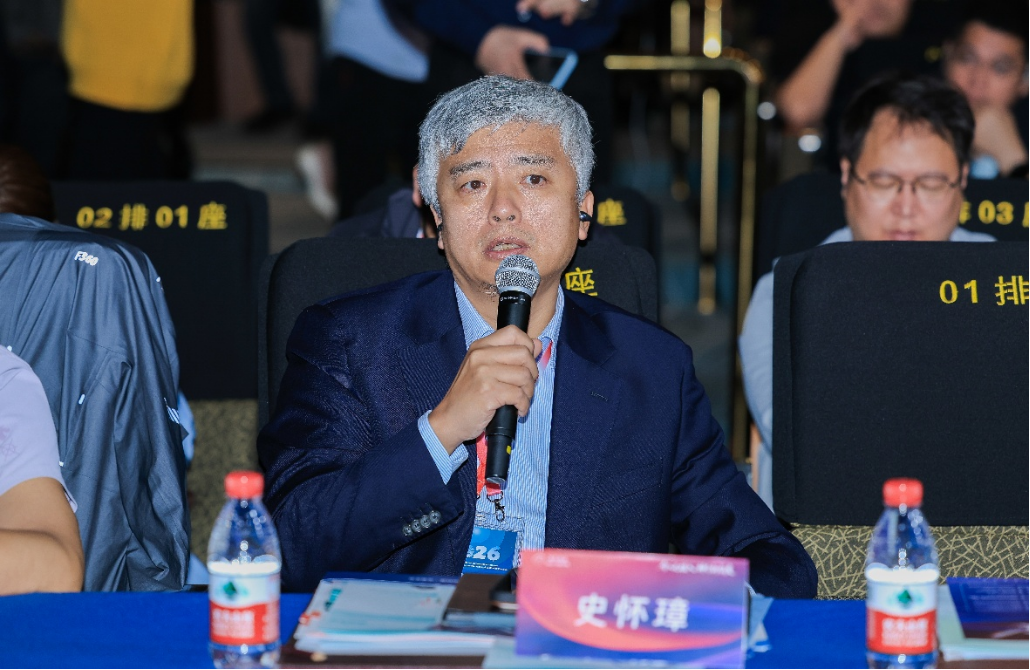
Prof. Shi Huaizhang from the First Affiliated Hospital of Harbin Medical University further expanded on the application scenarios of drug-coated balloons. He noted that in lesions where stent delivery is challenging or wall apposition is suboptimal—such as the supraclinoid segment, M1 segment with abundant perforators, and basilar artery—drug-coated balloons may significantly reduce the risk of perforator-related events and demonstrate strong clinical value.
DR.BEYOND Study Results Announced
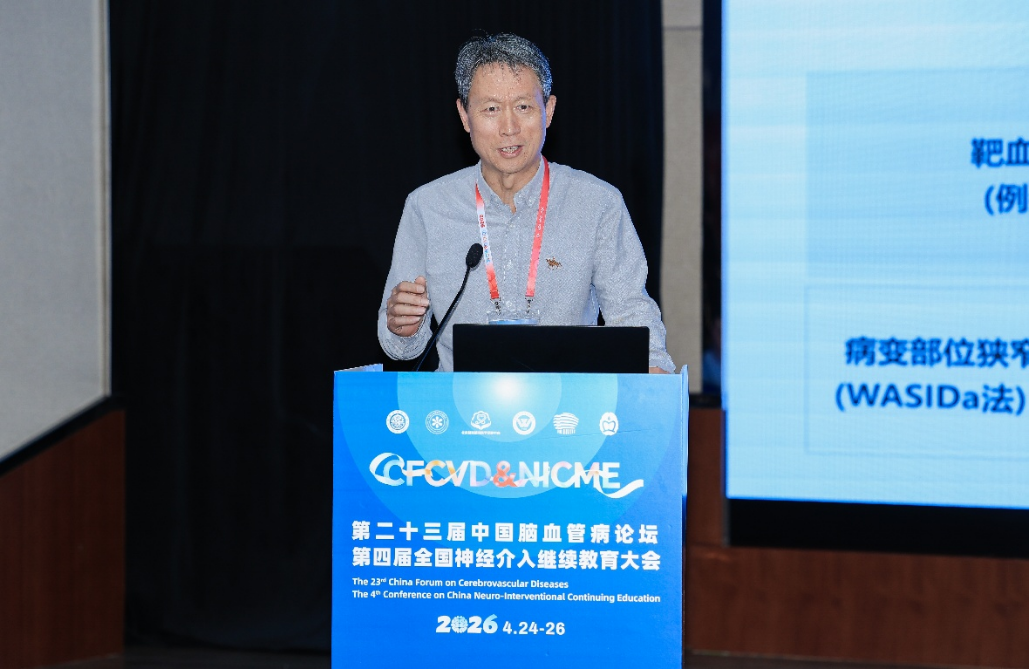
Prof. Guan Sheng from the First Affiliated Hospital of Zhengzhou University presented the clinical data from the DR.BEYOND study, a multicenter randomized controlled trial conducted jointly by Prof. Miao Zhongrong, Prof. Guan Sheng, and 14 hospitals nationwide, with results published in the leading journal Radiology. The data showed that at 6 months post-procedure, the restenosis rate in the DCB group was only 11%, significantly lower than 29% in the BMS group. Symptomatic restenosis and long-term ischemic event recurrence rates were also significantly reduced, while there was no significant difference in 30-day stroke or mortality rates compared to the BMS group, confirming the product’s excellent efficacy and safety.
Appreciation Ceremony and Official Launch
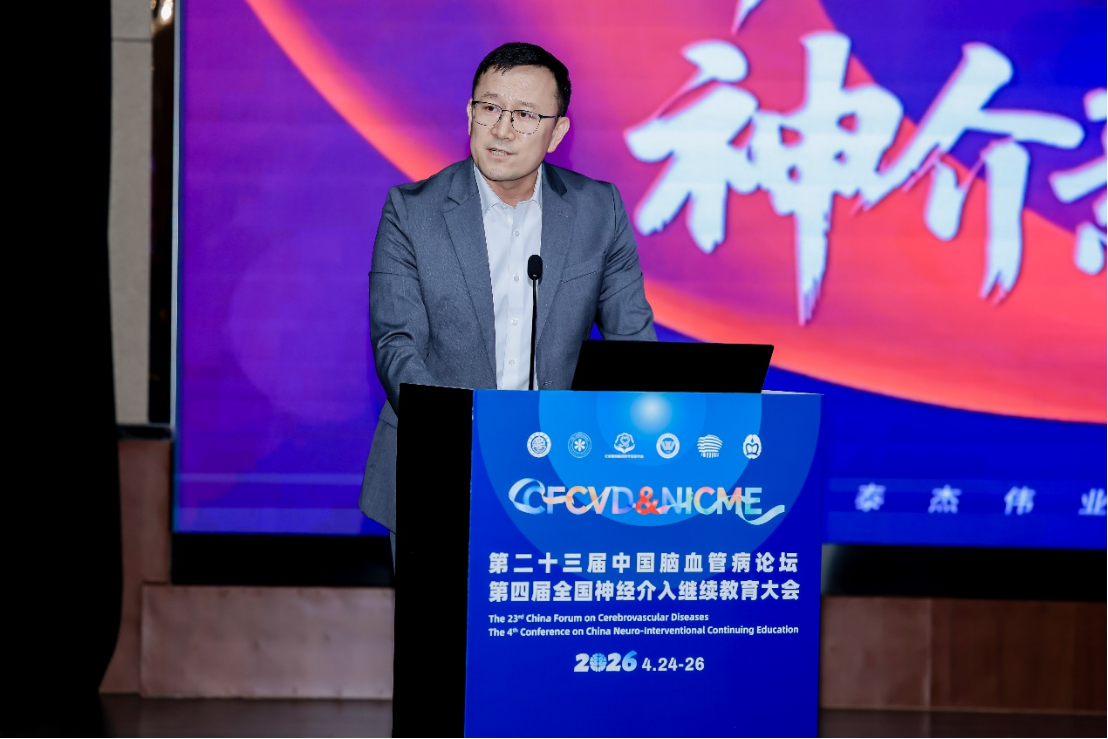
During the Clinical Research Center Recognition session, Mr. Yang Yongsen, General Manager of TJWY Medical, delivered a speech of appreciation. On behalf of the company, he extended a warm welcome and sincere thanks to all attending experts and colleagues. He reviewed the journey from product development to clinical validation and emphasized TJWY’s commitment to a patient-centered and innovation-driven philosophy, focusing on real clinical needs to develop high-quality solutions. He also stated that the company will continue to enhance its neurointerventional product portfolio and provide reliable quality, stable supply, and continuous innovation to support clinical practice.
Finally, under the attention of all participants, company leaders and distinguished experts jointly initiated the official launch ceremony, marking the formal release of TJWY Medical’s Intracranial Drug-Coated Balloon, opening a new chapter of “Intervention Without Implantation” in ICAS treatment.